Creative Architectural Solutions: Discovering the Advantages of Professional Architecture Services
Revolutionary building designs serve a critical function in shaping today's built environments. By prioritizing eco-conscious functionality, building professionals can develop environments that resonate with societal demands. Combining smart technologies and eco-friendly materials enhances energy efficiency while encouraging community engagement. As architectural concepts advance, they accommodate occupant demands and celebrate local culture. A key inquiry persists: how do these elements converge to transform our built environments and improve quality of life?
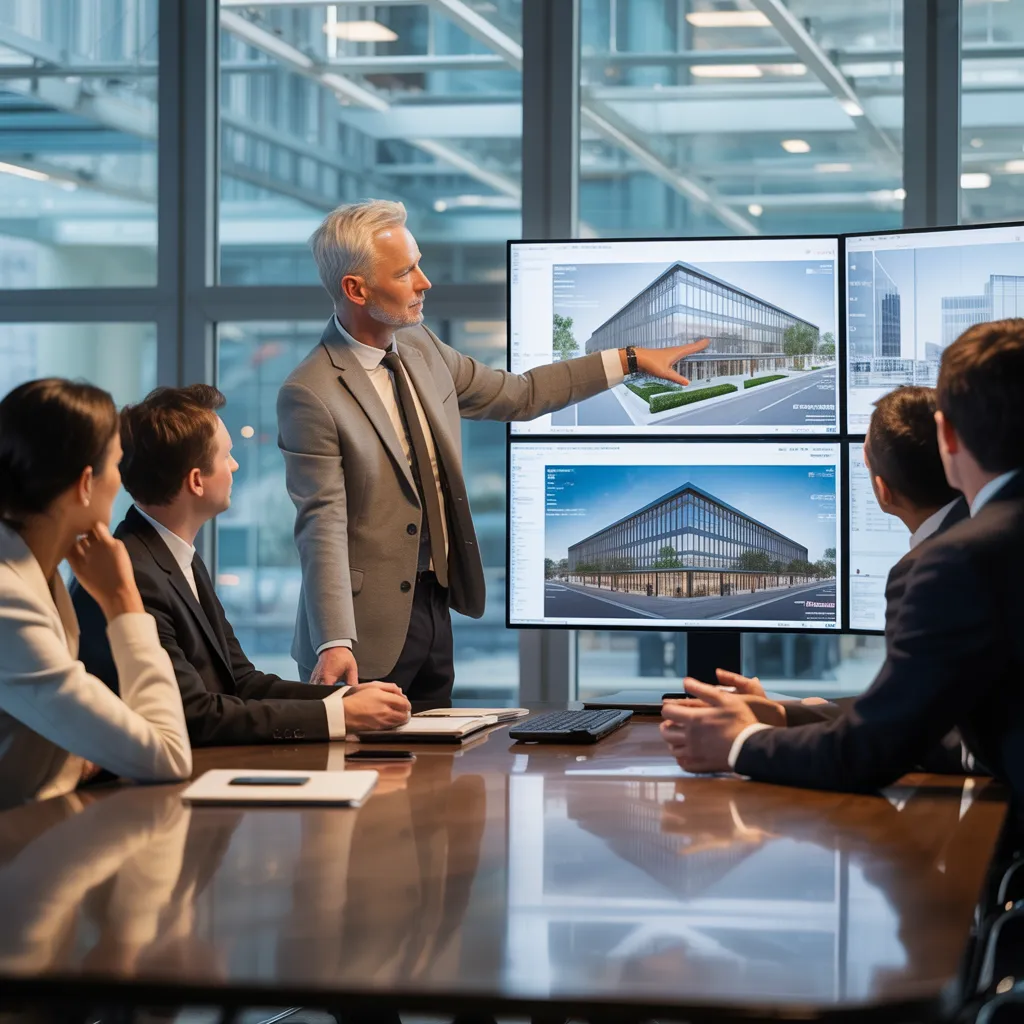
The Role of Architects in Creating Sustainable Spaces
Architects hold a crucial role in the development of green spaces, greatly influencing the ecological footprint of architectural landscapes. Their skills facilitate the adoption of environmentally responsible materials, energy-saving systems, and innovative design principles that decrease the use of resources. By prioritizing sustainability, architects can create structures that reduce carbon footprints and enhance energy performance.
Cooperation with technical experts and environmental consultants is essential in this process, making certain that designs satisfy both visual and practical requirements while following sustainable practices. Moreover, architects consider the surrounding ecosystem, incorporating natural elements and promoting biodiversity that foster a harmonious relationship between the built environment and natural surroundings.
Through deliberate strategy, architects champion the use of clean energy alternatives, such as wind or solar energy, which further reinforces sustainable objectives. At its core, their influence stretches well past construction; architects shape the future of urban landscapes by nurturing a focus on responsible design and environmental stewardship.
Leading Innovations in Architectural Design That Boost Functionality
Many advancements in modern architecture are redefining the way modern spaces function. One prominent advancement is the integration of smart technology, permitting buildings to cater to the demands of their users through self-regulating lighting, environmental controls, and safety mechanisms. This enhances energy efficiency and user comfort.
Furthermore, modular building methods are becoming increasingly popular, allowing for quicker assembly and enhanced design flexibility. These structures can be easily reconfigured or expanded, rendering them ideal for a wide range of applications.
Biophilic design, which weaves natural elements into building design, supports health and efficiency, fostering a bond between occupants and the spaces they inhabit.
In addition, open floor plans have become increasingly popular, providing versatile spaces designed to accommodate multiple activities.
Lastly, eco-friendly materials are being employed not only for their environmental benefits but also for their aesthetic appeal and durability, improving the overall performance of contemporary buildings. Collectively, these developments result in more versatile and optimized architectural outcomes.
How Design Brings Communities Together
Design plays a pivotal role in fostering bonds within neighborhoods, establishing spaces that promote interaction and collaboration among residents. Carefully planned recreational areas, public squares, and community zones serve as essential gathering spots, fostering community interaction and a spirit of togetherness. Structural characteristics such as open layouts and adaptable environments provide avenues for local activities and initiatives, elevating the overall quality of life.
Additionally, designs that embrace local culture and history foster a unique identity, encouraging residents to feel a deeper bond with their surroundings. By championing accessibility and inclusivity, architects confirm that all community members, regardless of age or capability, can engage in community life.
The incorporation of natural features, such as parks and leisure spaces, greatly enhances the communal living experience, offering residents a sanctuary and a space for collective recreation. In the end, intentional architectural planning not only defines physical environments but also fosters the connections that unite communities.
Improving Energy Efficiency Through Skilled Architecture
A notable change toward energy efficiency is revolutionizing the architecture landscape, fueling the development of innovative solutions that lessen ecological footprint. Expert architecture services have a critical part in this shift by incorporating green methodologies into their designs. These architects analyze energy consumption patterns and apply advanced materials, such as top-grade insulation and high-performance glazing, to decrease heating and cooling demands.
Additionally, the adoption of clean energy technologies, like photovoltaic panels and geothermal solutions, not only reduces reliance on fossil fuels but also lowers overhead expenses for building owners. Intelligent building systems continue to boost building energy efficiency, allowing for instant oversight and regulation of energy usage.
Through detailed planning and forward-thinking design, professional architects develop environments that not only meet strict environmental requirements but also encourage lasting sustainability. This emphasis on energy efficiency ultimately contributes to a healthier planet and more resilient communities, highlighting the essential role of architecture in addressing climate change.
Successful Urban Landscape Transformations
A prime illustration is the rejuvenation of neglected waterfront areas into dynamic recreational areas, featuring cultural installations, walking paths, and green parks. Such developments do more than improve the scenery, as they also invigorate local economies by drawing in visitors and commercial enterprises.
Additionally, thoughtful urban planning considers the distinctive characteristics of a district, guaranteeing that every transformation captures its past and essence. This personalized method cultivates a sense of connection among community members, promoting responsible management of the space. In essence, thriving urban landscape projects showcase the capacity of architecture to reshape urban experiences and promote long-term urban sustainability.
Where Is Innovative Architecture Headed?
How can innovative architecture continue to adapt and respond to the evolving needs of society? As urban environments grow increasingly complex, architects are tasked with addressing pressing challenges such as sustainability, affordability, and social equity. Innovative technologies, encompassing artificial intelligence and next-generation materials, open up new possibilities for design, supporting more effective construction processes and superior energy performance.
Moreover, architects are consistently working alongside diverse stakeholders, from neighborhood groups to ecology specialists, confirming that blueprints represent the priorities and requirements of those who rely on them. This collaborative method fosters resilience, permitting designs to accommodate shifting climatic factors and social requirements.
Additionally, the incorporation of biophilic architectural principles enhances overall well-being, forging a connection between occupants and nature. As the architectural profession progresses, the focus on innovative solutions will stay at the forefront, propelling the industry to develop areas that are functional while also being transformative for coming generations.
Questions We Often Receive
In What Ways Do Architects Collaborate With Engineers on Projects?
Engineers and architects work together by combining design principles with technical specifications, ensuring structural integrity and functionality. Scheduled meetings promote effective dialogue, permitting both parties to resolve issues and improve project results through collaborative knowledge and creative approaches.
What Are the Expenses Involved in Hiring an Architect?
The fees related to employing an architect typically include design fees, project management expenses, and potential additional charges for site visits or consultations. These costs can vary considerably based on project complexity and location.
What Is the Average Timeframe for the Architectural Design Process?
The architectural design process typically takes multiple months, depending on the complexity of the project and client needs. Elements including permit approvals, design revisions, and coordination with marietta best Home Architecture Services contractors may also affect the entire project schedule, commonly adding considerable time to the process.
Do Architects Provide Help With Zoning and Permit Applications?
Indeed, architects offer support for zoning and permit applications. Their knowledge helps manage intricate zoning regulations and secures alignment with municipal codes, making the process more efficient and improving the chances of gaining the essential approvals for development projects.
What Qualities Should I Look for When Hiring an Architect?
When selecting an architect, one should prioritize qualifications such as education, licensing, experience in relevant projects, excellent interpersonal and communication skills, and a portfolio showcasing creativity and problem-solving skills. Specific areas of expertise may also matter based on the nature of the project.